

Restore your complete smile
Dental Bridges in
Palm Harbor, FL
“A missing tooth affects more than your smile. It changes how you bite, chew and speak.”
Losing a tooth to decay, injury or gum disease leaves a gap that can affect how you chew, how you speak and how your other teeth line up. A dental bridge is one of the most reliable ways to fill that gap. At VIP Dental Center in Palm Harbor, our dentists design custom bridges that replace one or more missing teeth and blend in with your natural smile.
A bridge is a fixed restoration, so it stays in place and is not removed for cleaning like a partial denture. If you are missing a tooth, call us at (727) 787-2424 to find out whether a bridge is the right option for you.
Dental Bridges Explained
>
A proven tooth replacement
Dental bridges have been used for decades to replace missing teeth. A bridge restores your bite and helps keep neighboring teeth from drifting into the empty space.>
What is a bridge
A bridge is a row of connected replacement teeth. The false tooth, called a pontic, is held in place by crowns on the healthy teeth or dental implants on either side of the gap.
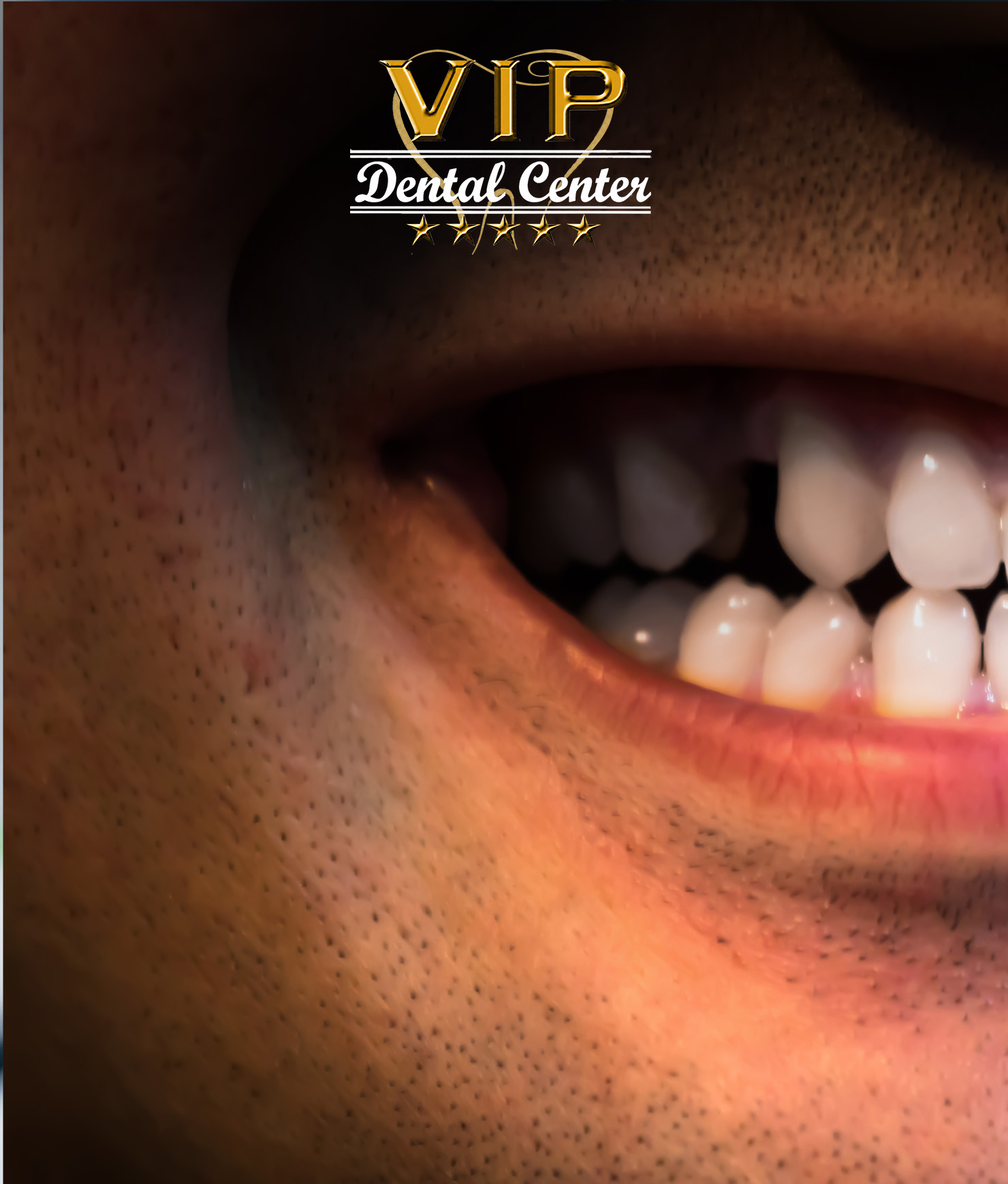

You deserve a complete smile
Types of
Dental Bridges
Every bridge is planned around the health of your teeth and gums and where the gap is in your mouth. Your dentist will recommend the type that fits your situation. Common options include:
- Traditional bridge: a replacement tooth held between two crowns placed on the natural teeth on each side of the gap. This is the most common type of bridge.
- Cantilever bridge: used when there is a healthy tooth on only one side of the gap.
- Maryland (bonded) bridge: the replacement tooth is attached with a framework bonded to the back of the neighboring teeth, which keeps more of the natural tooth structure intact.
- Implant-supported bridge: crowns attached to dental implants anchor the bridge, so the neighboring teeth do not need to be reshaped. This is often recommended when several teeth in a row are missing.
How Dental Crowns Support a Bridge
Most bridges are anchored by dental crowns. The teeth on either side of the gap, called abutment teeth, are shaped so a crown can fit over each one. The replacement tooth is joined to those crowns, and the whole bridge is cemented in place as a single piece.
Because the abutment teeth carry the bridge, they need to be healthy and strong. If a supporting tooth has decay or a large old filling, crowning it as part of the bridge can protect that tooth at the same time. When the neighboring teeth are healthy and would not otherwise need crowns, your dentist may suggest an implant-supported bridge instead.
“Each bridge is custom made to match the shade, shape and size of your natural teeth.”
Why Patients Choose a Dental Bridge
Replacing a missing tooth is about more than appearance. A dental bridge can help you:
- Chew and speak comfortably again
- Keep the teeth next to the gap from shifting or tipping out of place
- Prevent the opposing tooth from over-erupting into the empty space
- Spread biting forces evenly across your teeth
- Support the natural shape of your face and smile
A bridge is not the only way to replace a missing tooth. Depending on your needs, dental implants or partial dentures may be a better fit, and patients missing most or all of their teeth may consider All-on-4 implants. Our dentists will walk you through the options at your exam.
“Replacing a missing tooth helps keep your remaining teeth from drifting out of place.”
Getting a Dental Bridge Step-by-Step
A traditional bridge usually takes two appointments:
- Exam and planning. Your dentist examines the area, takes X-rays and confirms the supporting teeth and gums are healthy enough to hold a bridge.
- Preparing the abutment teeth. After the area is numbed, the teeth on each side of the gap are reshaped so the crowns will fit.
- Impressions. Impressions or digital scans are taken and sent to a dental lab, where your bridge is custom made to match your teeth.
- Temporary bridge. A temporary bridge protects the prepared teeth while your permanent bridge is being made.
- Fitting your new bridge. At the second visit the temporary is removed, and the permanent bridge is checked for fit, bite and appearance, then cemented in place.
Implant-supported bridges follow a different timeline, because the implants need time to heal before the bridge is attached.
“With daily brushing, cleaning under the bridge and regular checkups, a bridge can last many years.”




Frequently Asked Questions
Common Dental
Bridge Questions
Have a question about a VIP Dental service? Call us now at 727-787-2424 and one of our friendly staff will help you find the best path to your ideal smile.
Does getting a dental bridge hurt?
The teeth that support the bridge are numbed before they are prepared, so most patients feel pressure rather than pain. Some sensitivity for a few days afterward is normal. If you are anxious about dental work, ask about our sedation options.
How long does a dental bridge last?
With good care, a bridge often lasts many years. Brushing twice a day, cleaning under the bridge every day and keeping up with regular cleanings and exams help protect the supporting teeth and extend the life of the bridge.
How do I clean under a dental bridge?
Food and plaque can collect under the replacement tooth. A floss threader, super floss or a water flosser makes it easy to clean underneath the bridge and along the gumline. Our hygienists can show you the best technique at your next visit.
Is a bridge or a dental implant better?
Both are excellent ways to replace a missing tooth. A bridge is usually faster and does not require surgery, while an implant replaces the tooth root and does not rely on the neighboring teeth for support. Your dentist will recommend the best option based on your bone, gums and the condition of the nearby teeth.
Can I eat normally with a dental bridge?
Yes. Once your permanent bridge is in place you can eat most foods. It helps to cut food into smaller pieces at first and avoid very hard or sticky foods that could damage the bridge.
Does dental insurance cover a dental bridge?
Many PPO dental plans cover part of the cost of a bridge. VIP Dental accepts most PPO insurances and can verify your coverage during normal business hours. Payment plans are also available. Visit our patient information page or call us for details.
Directions to VIP Dental Center:
Related Topics:
Helpful Related Information & Links:
- American Dental Association (ADA). Glossary of Dental Clinical Terms. 2024
- American Academy of Cosmetic Dentistry (AACD). Home Page. 2024
- WebMD. WebMD’s Oral Care Guide. 2024
- We serve patients from the following counties: Pinellas County, Pasco County and Hillsborough County
- We serve patients from the following cities: Palm Harbor, Tarpon Springs, New Port Richey, Tampa, Clearwater, St. Petersburg, Dunedin, Westchase, Largo and Oldsmar
- FL (License #FL0013292). View License Information and Specifics
- National Provider Identifier Database (1023142148). View NPI Registry Information